Oral Surgeon in Revere, MA
If you are looking for an experienced oral surgeon in Revere, MA, Northgate Dental Center provides surgical dental care for patients who may need extractions, wisdom teeth removal, dental implants, bone grafting, frenectomy, or evaluation for more complex oral and maxillofacial concerns. Oral surgery requires careful diagnosis, treatment planning, and attention to patient safety. At Northgate Dental Center, our oral surgery care is focused on helping patients understand their condition, review available options, and receive appropriate treatment based on a clinical exam, dental imaging, health history, and individual needs.
What Does an Oral Surgeon Do?
An oral surgeon, also known as an oral and maxillofacial surgeon, is a dental specialist trained in surgical care involving the mouth, teeth, jaws, and facial structures. The American Association of Oral and Maxillofacial Surgeons describes oral and maxillofacial surgeons as specialists in face, mouth, and jaw surgery.
Patients may see an oral surgeon for impacted wisdom teeth, surgical tooth extractions, dental implant placement, jawbone concerns, facial trauma, oral pathology evaluation, or procedures that require specialized surgical training. At Northgate Dental Center, your oral surgery recommendation is based on your symptoms, X-rays or imaging, oral health condition, and overall treatment goals.
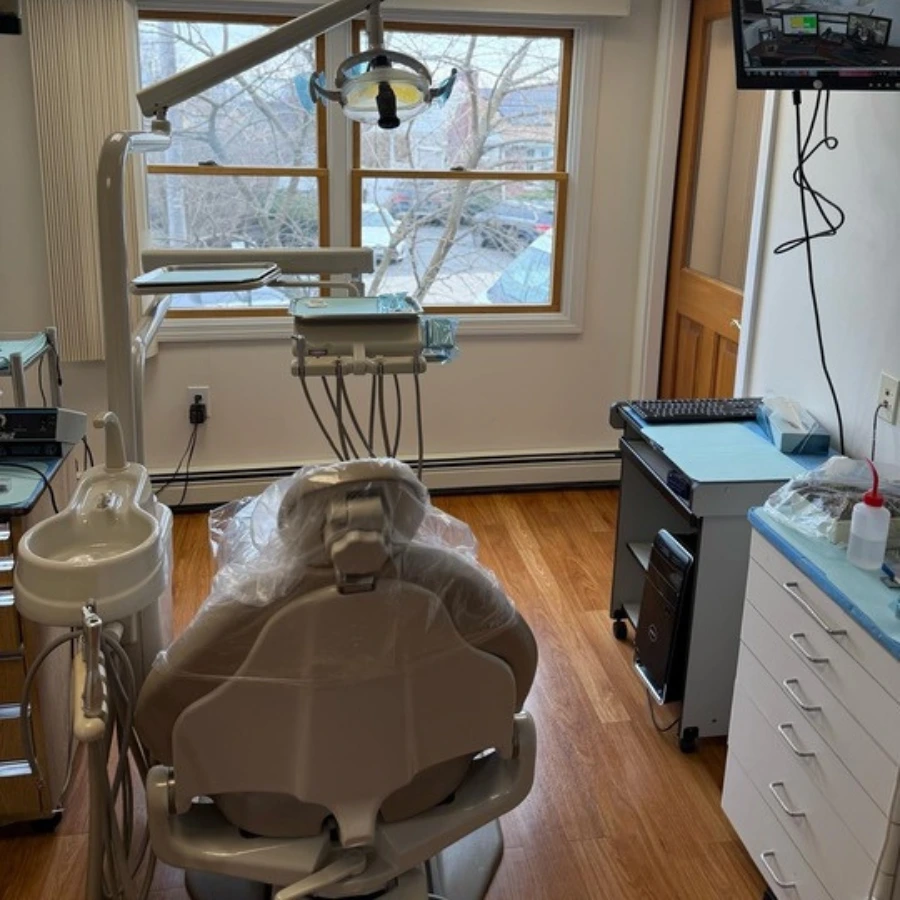
Oral Surgery Services Provided by Our Revere Oral Surgeon
Meet Your Oral Surgeon
At Northgate Dental Center, oral surgery care is provided by David Joey Chang, DMD, an oral surgeon with advanced training in oral and maxillofacial surgery. Dr. Chang grew up in Australia and came to Boston in 1998 to pursue post-secondary education. He earned his Bachelor of Science degree in Biomedical Engineering from Boston University and his Doctorate in Dental Medicine from Tufts University School of Dental Medicine.
Dr. Chang completed his Advanced Education Training in Oral and Maxillofacial Surgery through Tufts University School of Dental Medicine and Tufts Medical Center. He is an Assistant Professor and Director of the pre-doctoral program in Oral and Maxillofacial Surgery at Tufts University School of Dental Medicine. He is also an attending in Oral and Maxillofacial Surgery at Tufts Medical Center. His clinical interests include management of third molars, dental implant surgery, maxillofacial trauma and reconstruction, obstructive sleep apnea, and orthognathic surgery. This background supports his careful, patient-focused approach to oral surgery care at Northgate Dental Center.
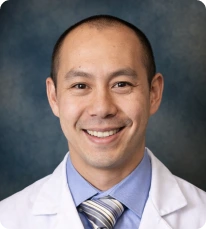
David Joey Chang DMD
Oral Surgeon
Why Choose Northgate Dental Center for an Oral Surgeon in Revere, MA?
Choosing an oral surgeon is important when your dental concern involves impacted teeth, surgical extractions, dental implants, jawbone needs, or more complex oral surgery planning. Oral surgery decisions should be made after a proper evaluation, including your medical history, dental history, symptoms, and imaging.
At Northgate Dental Center, patients receive oral surgery care in a comprehensive dental setting. This allows our team to coordinate diagnosis, surgical treatment, restoration planning, and follow-up care when needed. Our approach emphasizes patient education, careful planning, comfort, and clear communication before treatment begins.
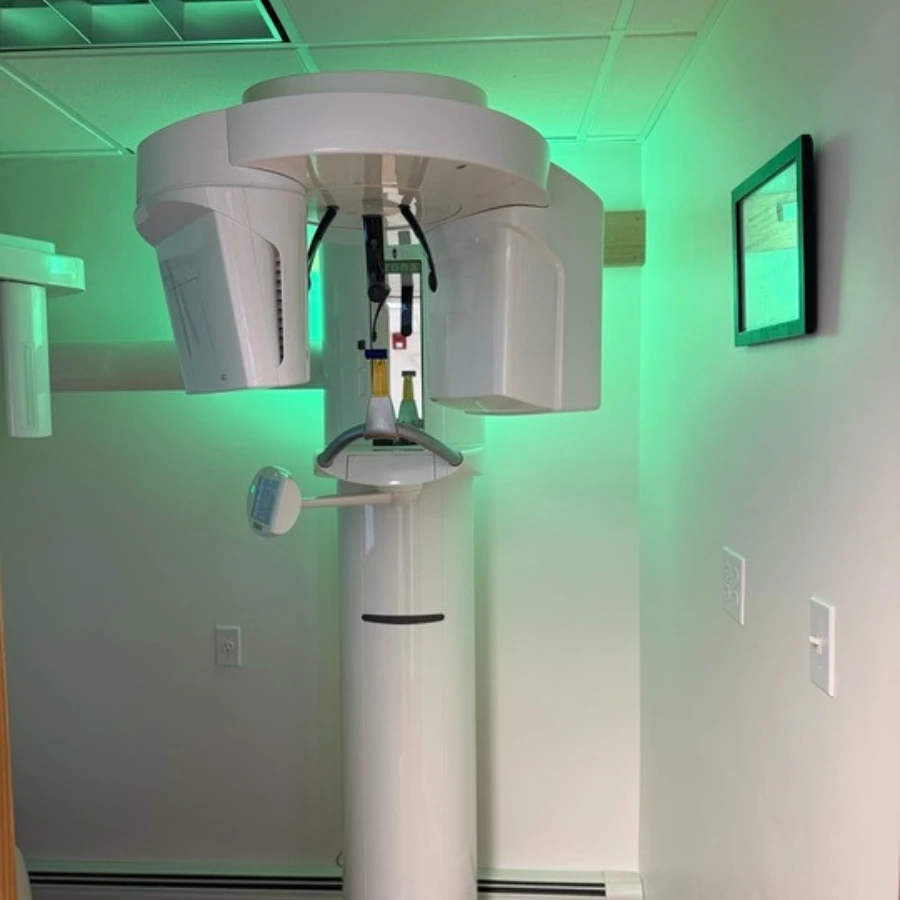
Benefits of Seeing an Oral Surgeon in Revere, MA
Specialized Surgical Evaluation
An oral surgeon can evaluate complex dental and jaw related concerns, including impacted wisdom teeth, broken teeth, bone loss, implant needs, or oral tissue concerns. This helps patients receive a treatment plan based on diagnosis instead of guesswork.
Focused Care for Extractions and Implants
Oral surgeons are trained to manage surgical extractions, wisdom teeth, bone grafting, and implant placement. This can be especially important when teeth are impacted, bone support is limited, or future restoration planning is part of the treatment.
Advanced Care for Complex Cases
Some patients need oral surgery because of impacted teeth, jaw concerns, facial trauma, bone loss, or treatment needs that require advanced surgical planning. In these cases, an oral surgeon can evaluate the condition carefully and recommend a treatment approach based on imaging, medical history, and oral health needs.
What to Expect When Visiting Our Oral Surgeon
Consultation and Diagnostic Evaluation
During your consultation, your provider may evaluate the affected tooth, gums, jawbone, bite, and surrounding tissues. X-rays or other imaging may be used to assess tooth position, bone structure, infection, impaction, or implant readiness.
Personalized Oral Surgery Treatment Planning
After the evaluation, your oral surgeon will explain the diagnosis and review treatment options. Depending on your case, this may include extraction, wisdom teeth removal, implant placement, bone grafting, frenectomy, monitoring, referral, or coordination with another dental specialist.
Procedure, Recovery Guidance, and Follow-Up
If oral surgery is recommended, you will receive instructions about the procedure, anesthesia options when applicable, recovery expectations, and aftercare. Follow-up care may be recommended to monitor healing and plan the next step, such as implant restoration or additional dental treatment.

Frequently Asked Questions
Visit an Oral Surgeon in Revere, MA
Northgate Dental Center provides oral surgery care at our Revere dental office, Whether you need wisdom teeth evaluation, a surgical extraction, dental implant planning, bone grafting, or another oral surgery consultation, Dr. David Joey Chang, DMD can evaluate your condition and explain your treatment options. Call Northgate Dental Center today to schedule a visit with an oral surgeon in Revere, MA.
Our office offers comprehensive dental services in one setting, making it easier to coordinate endodontic care with restorative treatment when needed. Whether you have been told you may need a root canal or you are experiencing new tooth pain, our team can evaluate your symptoms and help you understand your options.